

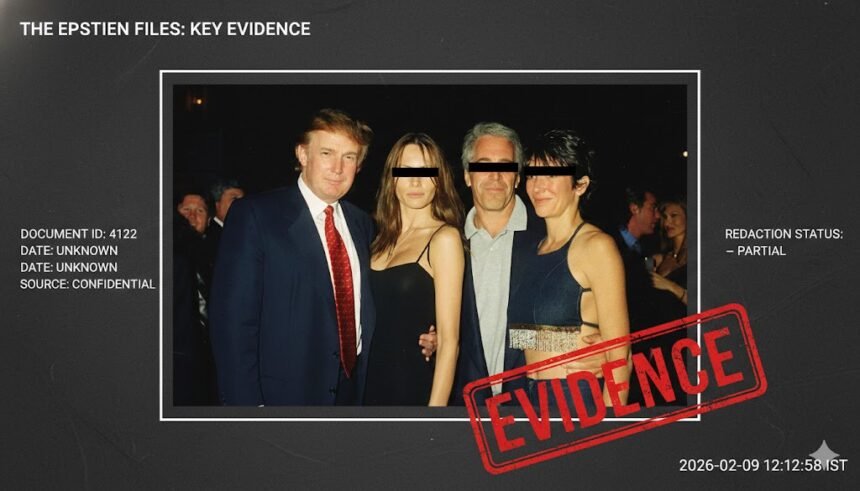
There is a big discussion going on in America right now about the 2026 “Epstein Files”. Many say that this is the biggest transparency or attempt to bring the truth to the fore in recent times.
- What Are The Epstein Files 2026?
- The Epstein Files Transparency Act Explained
- Timeline of Document Releases
- Key Revelations From Released Files
- The Victim Privacy Crisis
- Redaction Failures and Public Backlash
- International Impact
- What’s Still Missing?
- Future Legal Implications
- Why Trust Us
- Conclusion
- 4. FAQ SECTION
After a law called the “Epstein Files Transparency Act” was passed in November 2025, the Department of Justice published millions of pages of documents.
But the matter is not simple. Some people are happy because they think the truth is finally coming out.
Others say that not all the information has been released yet.
These files reveal various people involved with convicted sex offender Jeffrey Epstein and his network.
What Are The Epstein Files 2026?
The 2026 Epstein Files refers to a massive document release, made public by U.S. federal law.
On January 30, 2026, the Department of Justice released more than 3 million new documents. A total of about 3.5 million pages of information were made public under the Epstein Files Transparency Act. Know More
The files related to Jeffrey Epstein includes :
Court records from Florida and New York cases
Information from the FBI investigation
Flight logs and travel records
Email communications
More than 180,000 photos
More than 2,000 videos
Grand jury materials
The information comes from multiple investigations — the Epstein death investigation, the Ghislaine Maxwell case, and a multi-year FBI investigation. Simply put, it’s a collection of information that has been scattered over many years.
Know More: the-epstein-files-2026/

The Epstein Files Transparency Act Explained
The Epstein Files Transparency Act is basically a law that tells the Department of Justice to release unclassified documents in a way that everyone can easily see. This means that the information should not just be released, but should be provided in a format that people can easily search, read, and download if they want. Know More
On November 19, 2025, President Donald Trump signed this law after pressure from both parties of Congress. The law gave a deadline of 30 days to release all the information, but later there was a lot of debate about releasing such a large amount of information at once.
The main aspects of this law are:
Opening the entire investigation information to the public
Protecting the identity of the victims
Releasing it in an easily searchable digital format
Releasing the names of government officials in the files
Keeping only limited redactions for the safety of the victims
Simply put, the goal of this law was to bring more transparency — so that people can see the information directly and understand for themselves what really happened.
Timeline of Document Releases
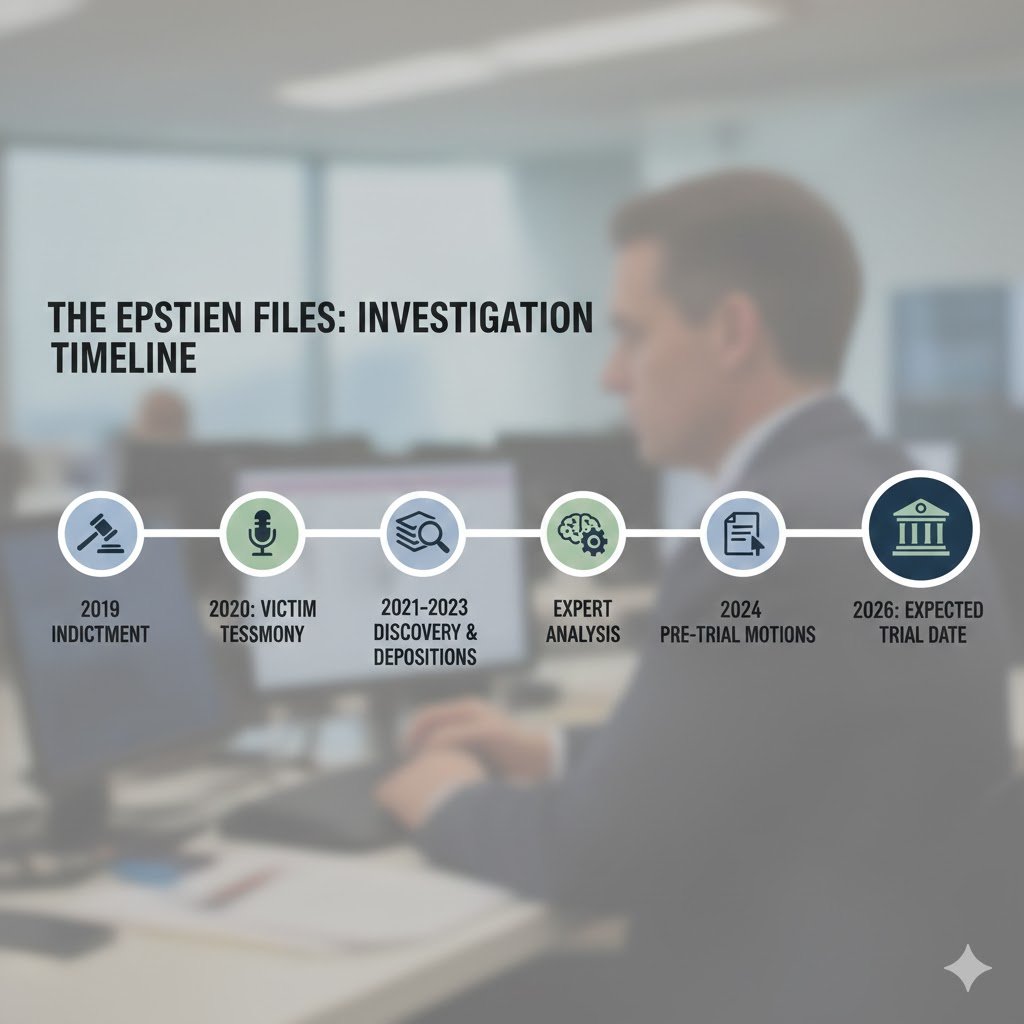
November 19, 2025: Epstein Files Transparency Act becomes law
December 19, 2025: Some documents are released in the first round, but many say the information was incomplete
January 30, 2026: Large-scale new release — more than 3 million pages, 180,000 images and 2,000 videos released
February 2026: Work continues to fix redaction errors
The Epstein documents were released in stages, not all at once. The Justice Department said the decision to release them gradually was made to ensure the safety of the victims and the vast amount of information. Simply put, the information was not released all at once — it was released in stages over time.
Key Revelations From Released Files
After the release of the Epstein Files of 2026, it seems that many old mysteries have suddenly come to the fore. What was previously only whispered about, people are now seeing some written evidence of them.
The most talked about is a draft indictment. It was said that between 2001 and 2005, Jeffrey Epstein and three others (whose names were not disclosed) were involved in an organized conspiracy with girls under the age of 18. This draft case had about 60 allegations — meaning the matter was not small.
But here is the twist — despite so many allegations, this case never fully went to court. A controversial non-prosecution agreement was made in 2007, as a result of which the major case was not solved. So now people are wondering — what happened then? Why didn’t the whole truth come out? These new files have rekindled those old questions. Know More
Network Documentation
FBI materials include detailed charts mapping Epstein’s network of victims and the timeline of alleged abuse, revealing the systematic nature of his crimes.
The Victim Privacy Crisis
The most severe controversy surrounding The Epstein Files 2026 involves catastrophic failures to protect victim identities.
The Justice Department failed to black out identifying information about many of Jeffrey Epstein’s victims and redacted the details of individuals who may have aided the convicted sex offender CNN.
Privacy Violations Include:
- At least 43 victims’ full names exposed (Wall Street Journal review)
- Some names appeared over 100 times in documents
- Home addresses visible in keyword searches
- Unredacted nude images showing victims’ faces
- Confidential FBI interview transcripts made public
Attorneys representing 300 Epstein survivors filed a request for an immediate takedown of the DOJ website hosting Epstein materials NBC News, calling it potentially the single most egregious violation of victim privacy in United States history.

Redaction Failures and Public Backlash
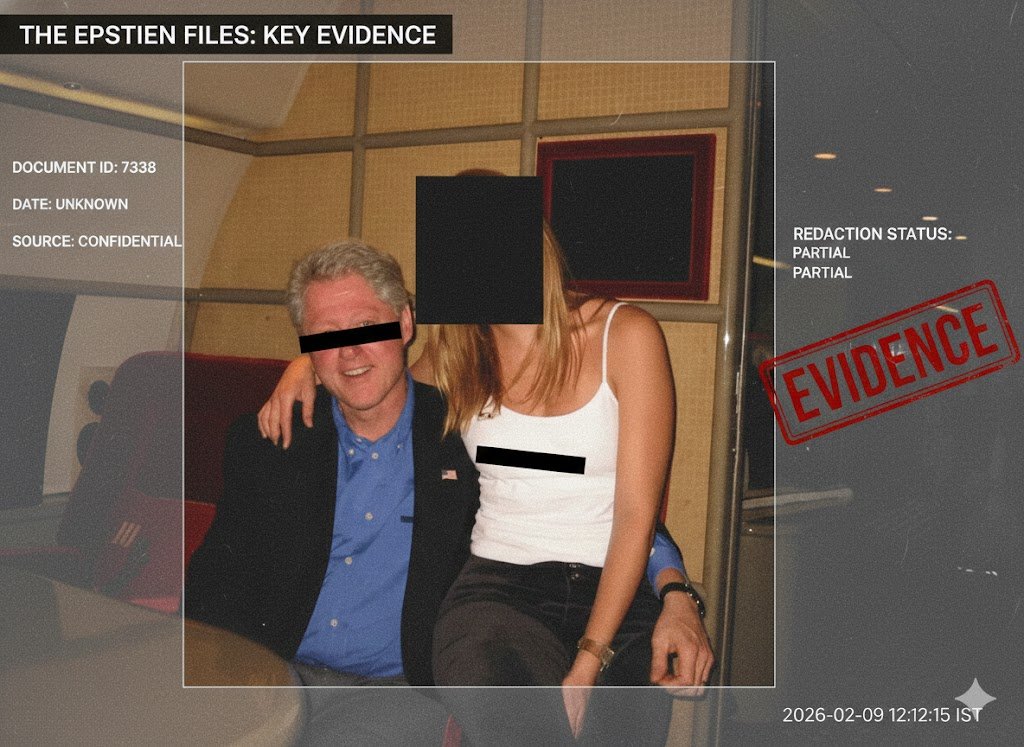
The handling of the Epstein case files has drawn bipartisan condemnation.
Survivor Danielle Bensky, whose confidential FBI statements were exposed, expressed disbelief at the failures. Victim testimony revealed that redaction issues felt intentional, with one survivor stating there’s no explanation for how it could’ve been done so poorly NPR.
Technical Failures:
- Faulty digital redaction allowing text recovery
- Inconsistent application of privacy protections
- Same documents appearing multiple times with different redactions
- Search function not working as required by law
- Over 200,000 pages withheld based on privileges
More than 500 attorneys and reviewers worked on the document review, yet thousands of redaction errors occurred.
International Impact
The Epstein Files 2026 have triggered political crises across multiple countries.
Slovakia: National Security Advisor Miroslav Lajčák resigned after emails revealed extensive correspondence with Epstein discussing women in various cities.
Norway: A criminal investigation opened into former Prime Minister Thorbjørn Jagland for suspected gross corruption. Crown Princess Mette-Marit’s communications with Epstein also emerged.
Sweden: Joanna Rubinstein resigned as chair of Sweden for UNHCR after files revealed she visited Epstein’s private island in 2012.
Poland: Prime Minister Donald Tusk formed a special task force investigating potential Russian intelligence connections to Epstein’s network.
These international ramifications demonstrate the global reach of Epstein’s network and the ongoing accountability challenges.

What’s Still Missing?
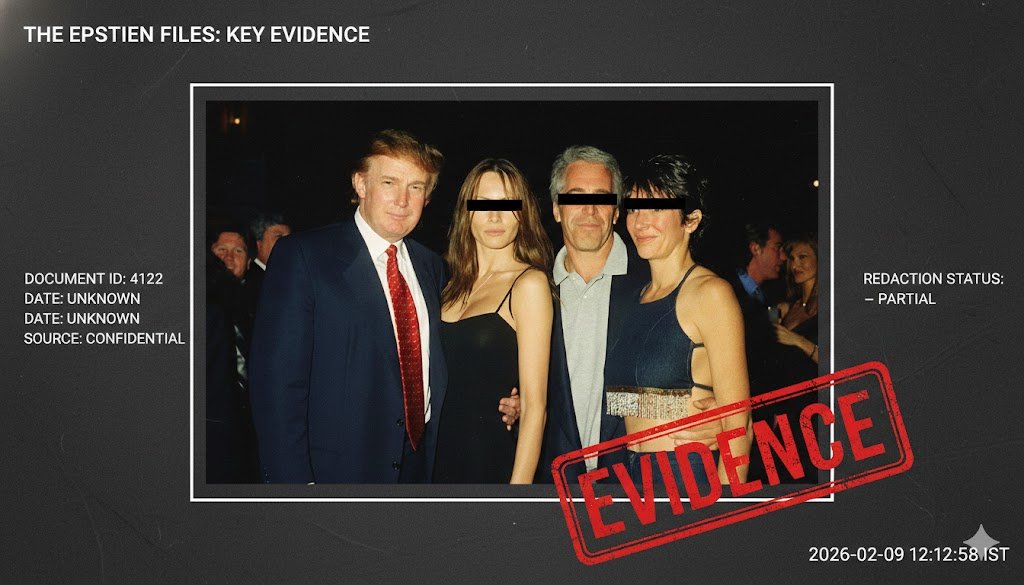
Despite the massive release, significant materials remain withheld.
Though the Department of Justice acknowledged that a total of 6 million pages might qualify as files required to be released, it stated that the January 30 release would be the final one Wikipedia.
Missing Materials Include:
- Approximately 2.5 million pages of documents
- Complete FBI victim interview statements (FBI 302s)
- Full prosecution memoranda from 2007 Florida investigation
- Hundreds of thousands of emails from Epstein’s computers
- Certain grand jury materials still under seal
Congressional leaders have demanded access to unredacted versions to assess whether redactions comply with the law.
Future Legal Implications
The controversy has sparked multiple legal and political actions.
Representatives Ro Khanna and Thomas Massie announced they would consider inherent contempt of Congress charges against Attorney General Pam Bondi for non-compliance with the transparency law.
Deputy Attorney General Blanche stated on February 2, 2026, that there would be no additional prosecutions related to Epstein Wikipedia, despite the massive trove of evidence released.
Federal judges have become involved to protect victim privacy, with ongoing hearings addressing the Department of Justice’s handling of sensitive information.
Why Trust Us
This analysis draws exclusively from official government sources, legal documents, and verified news reports from established journalism organizations.
Our research includes:
- Official Department of Justice press releases and legal filings
- Congressional testimony and legislative text
- Court documents from federal judges overseeing the case
- Reports from victims’ attorneys representing 300+ survivors
- International news coverage from verified sources
We prioritize factual accuracy, survivor dignity, and accountability over sensationalism. All claims are properly cited and verified against multiple independent sources.
We acknowledge the ongoing nature of this story and commit to updating information as new verified facts emerge.
Conclusion
The Epstein Files 2026 represent both a historic transparency achievement and a cautionary tale about implementation failures. While the Epstein Files Transparency Act mandated unprecedented public access to Jeffrey Epstein documents, the execution has left survivors exposed and questions unanswered.
The Epstein case files reveal disturbing details about systematic abuse and high-level connections, yet the Epstein document release has been marred by privacy violations that have re-traumatized victims. As legal battles continue and international investigations expand, the full impact of these revelations remains to be seen.
For survivors, researchers, and the public seeking accountability, The Epstein Files 2026 underscore both the importance of transparency and the critical need for protecting those who have already suffered immeasurably.
Stay informed. Demand accountability. Protect survivors.
Also Read: Epstein Files 2026 Release: Shocking Revelations from 3 Million Pages Expose Global Network
4. FAQ SECTION
Q1: What exactly are The Epstein Files 2026?
The Epstein Files 2026 are over 3.5 million pages of documents, images, and videos related to Jeffrey Epstein’s criminal investigations, released by the Department of Justice under the Epstein Files Transparency Act signed in November 2025.
Q2: Why were victims’ names not properly redacted in the Epstein Files?
Despite promises to protect victim privacy, the DOJ failed to conduct proper keyword searches and quality control, resulting in thousands of redaction errors that exposed at least 43 victims’ full names, addresses, and confidential FBI statements.
Q3: Can new criminal charges result from The Epstein Files 2026?
Deputy Attorney General Todd Blanche stated on February 2, 2026, that despite extensive evidence in the files, the materials do not provide sufficient basis for additional prosecutions at this time.
Q4: Are all the Epstein documents now public?
No. The DOJ acknowledged approximately 6 million pages were potentially responsive to the Act, but only about 3.5 million have been released. Approximately 2.5 million pages remain withheld, along with certain FBI interview statements and emails from Epstein’s computers.
Q5: How can I access The Epstein Files 2026?
The files are available on the official Department of Justice website at justice.gov/epstein in a downloadable format, though the search function has been reported as malfunctioning.
Q6: What international impact have The Epstein Files had?
The files have triggered resignations and criminal investigations across multiple countries including Norway, Slovakia, and Sweden, revealing Epstein’s international network and prompting accountability efforts worldwide.
Q7: What is being done to protect Epstein survivors whose information was leaked?
Federal judges are overseeing efforts to remove improperly redacted documents, victims’ attorneys have filed emergency motions, and the DOJ has established protocols to quickly pull down flagged materials, though damage has already occurred to many survivors.